
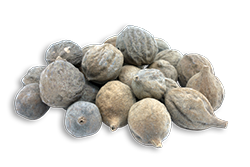
Baheda
16. February, 2023.

Baheda helps to manage loss of appetite, thirst, bloating and flatulence. This is due to its Ushna (hot) potency. Baheda enhances the Pachak Agni (digestive fire) which helps in digesting the food easily. It also helps to manage constipation due to its Rechana (laxative) nature. Owing to the intrinsic properties and doshas, Baheda portrays a positive effect on the various Dhatus (i.e. body tissues) which are Rasa (i.e. Plasma), Rakta (i.e. Blood), Mamsa (i.e. Muscles), Asthi (i.e. Bones) and Shukra (i.e. Reproductive Fluids).
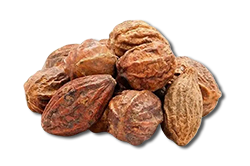
Haritaki
16. February, 2023.
Haritaki powder helps in removing the toxins from the body and keeps digestive system on track. Haritaki is a natural blood purifier. Haritaki if taken in form of powder regulates hunger, and if combined with balanced diet and exercises leads to weight loss.It effectively scavenges free radicals from the body and diminishes oxidative damage. Being a natural toner, it flushes out the toxins from the internal layers of the skin, promotes overall skin health.

Amla
16. February, 2023.
Amlais highly nutritious and has been linked to several impressive health benefits. It may improve kidney, liver, and heart health, enhance immune function and body growth. Amla is a rich source of polyphenols and vitamin C, which help support digestion and strengthen immune functioning. The fruit builds defence against virus and bacteria in the body and also protects it from oxidative stress. Moreover, amla rejuvenates tissues in the body and supports healthy metabolism.
Ashwagandha
16. February, 2023.
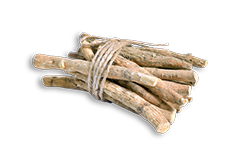
Ashwagandha root extract contains important components such as flavonoids, alkaloids and steroidal lactones, which are commonly known as withanolides. Making it important in the stimulation of growth. The HGH plays a very important role in body growth. Ashwagandha root extract produces GABA. Therefore, HGH can be substantially increased by adding Ashwagandha root extract to your diet. This in turn helps in the growth and development of the body, including body increase.
Chandrashoor
16. February, 2023.
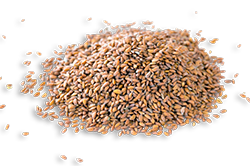
It helps to stimulate immunity and to strengthen both physical and mental strength. It helps to maintain the proper production of Ojus by nourishing dhatus in body. It also helps to restore and improve bone density.

Elephant Creeper (Vidhara)
16. February, 2023.
The plant possesses effective digestive properties. It takes care of your metabolism. Thus, it keeps you in shape by fighting obesity. Accentuates heat production due to metabolism, thus it works as a thermogenic. It increases power and stamina of the body.


Posted on 


Vikas
17. February, 2023.

I used it for 10 days but it didn't show any results
Posted on
Manoj
17. February, 2023.
No doubt Keshyog is a Good product.
Posted on
Rishabh
Satisfied
Satisfactory
Posted on
Hunar
Worth it
Amazing oil at this price., really worth it.
Posted on
Lucky
17. February, 2023.
Over all very good product.
Posted on
Pankaj
17. February, 2023.
Oil works good I hope it will improve my hair quality
Posted on
Rekha Khatri
Fabulous
As per rating, I purchased the item. Indeed it really deserves 5 star. Hair looks shining with correction of hairball.
Posted on
Shehreen
17. February, 2023.
I'm hopeful for good result.....
Posted on
Nikky
17. February, 2023.
Will have to see the result, may need another bottle to get good result. I assume
Posted on
Sameer
17. February, 2023.
Still early to say how this product helps with wife's hair problems. Lets give it a few weeks/month and see the results.
Posted on
Teena
17. February, 2023.
Yes will surely recommend has a tempting scent! I love the oils mixture
Posted on
Shreya
17. February, 2023.
The good changes start for your hair after 10-20 days!
My hair is now soft and ticker.
More baby hair is grown 🙂
Posted on
Hansa Khatri
Highly recommended
I only massaged 2 times on my scalp and my hair stopped falling down within week. I would recommend everyone to buy it.
Posted on
Anjali
17. February, 2023.
Amazing oil👍I love it,
Posted on
Nikhil
17. February, 2023.
Posted on
Navneet Kaur
17. February, 2023.
A very good product. I am using it and it has reduced my hair loss up to 90%. There is very light fragrance in oil. No any bad smelling of this oil.
Posted on
Keshav Arora
17. February, 2023.
Feels great after applying and washing
Posted on
Lata Jain
Useful
The moment stopped using this oil hair fall continued.
Posted on
Rahul
Worhty
Good product, Easy to use.
Worthy item.
Posted on
Mudit
Ok
Non sticky oil slightly controls greying.
Posted on
Sunita
17. February, 2023.
I received product. But it is not sealed and the cap is broken. The bottle is not full.. So I returned it..
Posted on
Mishti Sen
Highly recommended
This oil suits my hair the best, I apply it overnight, massage, and wash it away the next morning. Has rich ayurvedic smell and a bit goes a long way, strongly recommend.
Posted on
Raman
17. February, 2023.
It seems to be effective hair oil. I can feel the difference in the texture and the body of my hair
Posted on
Neha Dutta
Great
Great.. Hair fall has reduced and new hairs started growing after 1 month of usage after
Posted on
Shilpi Maheshwari
17. February, 2023.
good growth of hair to use this oil
Posted on
Devika Singh
17. February, 2023.
I have been using it for almost a month now and my hair fall has reduced drastically.
I will definitely keep my patience for the hair roots to turn to their natural color from Grey.
Posted on
Savita
17. February, 2023.
Have been using the products since a while. This is the 3rd bottle I ordered. Slightly concerned about the quantity this time as this doesn't match with the previous one.
Posted on
Vicky
17. February, 2023.
This is the best and most reliable product to use for your hair. Try for 2-3 months on a regular basis and see the visible results.
Posted on
Rinku Kumawat
Highly recommended
This product is absolutely recommended for those who have long term hair fall, after using 2 bottles of oil, i got amazing results for my hair falls. Thank you nanaji 🙏🏻☺️
Posted on
Suresh Pandey
High recommend
I strongly recommend everyone having hair issues to definitely try this oil and use minimum for 3 months to see results.
Posted on
Sonakshi Khatri
17. February, 2023.
I've been using Keshyog Herbal oil since one year, and I've seen the best results.
Posted on
Antima TIwari
17. February, 2023.
Orignal product recived with good packing and seller also care about product safty that why they using good quantity Buble sheet
Posted on
Jividha
17. February, 2023.
It is one of the best hair oils i have ever used. Great results within a month. I would definitely recommend it to those who suffer from hairfall also it improves the texture of your hair👍.
Posted on
Aman Vyas
17. February, 2023.
I like this product and advice everyone to buy this for taking loss hair back
Posted on
Akshay
17. February, 2023.
Happy with the product. nice
Posted on
Niraj Mehta
Good Product
I have been using it for a while. It has got a pleasant smell.
Posted on
Priya Sharma
17. February, 2023.
Smells nice and doesn't make hair sticky
Posted on
Gaurav Mali
17. February, 2023.
Excellent
Posted on
Divya Jain
17. February, 2023.
Good oil for all types of hair and have good fragrance as you know 👍
Posted on
Pratibha Jain
17. February, 2023.
It's my second purchase. The best thing I like about Keshyog Herbal Oil is it smells so good and it's non greasy. You can apply daily.
Posted on
Prashant Khichi
Go for it
Go for it
Posted on
Subhanshi Jain
Highly recommended
The best hair oil in this price category. Looking forward buying it again. Highly recommended.
Posted on
Pratibha Singh
Must try
Really get to see the difference in my hair after using it for a few days. Must try product
Posted on
Saddiq
16. February, 2023.
Use atleast 3 days per week for better results
Posted on
Aakansha Parihar
Go for it !
The product it really awesome. The fragrance is mild. It helped me a lot to improve my hair regrowth.This oil stopped my hair fall too😍. Really saying it's one of the best buy product. Go for it guys..
Posted on
Viranchy Tiwari
Good product 👌👍
Good product 👌👍
Posted on
Aashi Jain
16. February, 2023.
Feels great after applying and washing
Posted on
Radhika Gaur
16. February, 2023.
Light on the hair and hair feels wonderful after a wash!
Posted on
Latika Sharma
highly recommended
I was suffering from post partum hairfall. Keshyog sloved my issue within a week. I highly recommend the product. The product made my hair thick and frizz free. Can leave the oil for long time on hair and won't make face too grease. Smells good.
Posted on
VIjay Yadav
Worthy Item
Good product, Easy to use.
Worthy item.